Game Overview
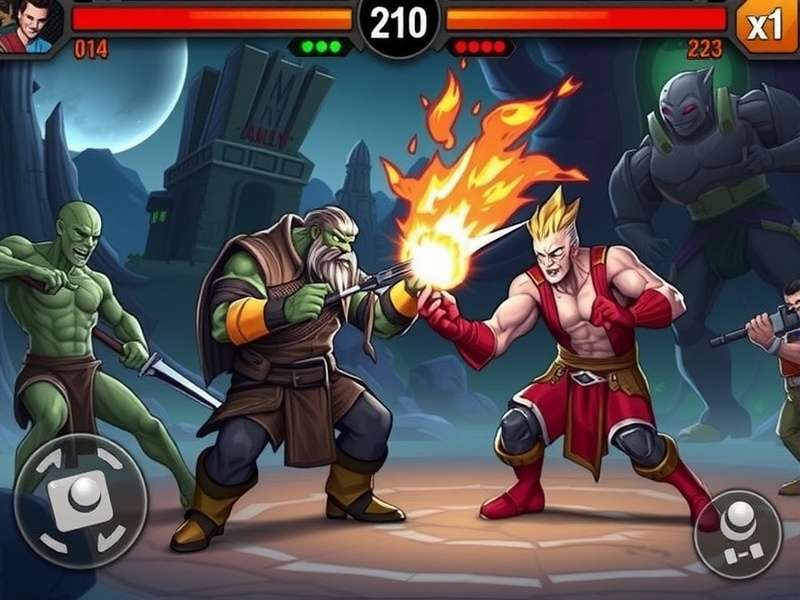
Morjim Mighty Rumble is a landmark title in Indian game development, representing a quantum leap forward for desi gaming. Developed with immense passion by the talented team at Daman Games and set to release on March 15, 2025, this action-packed brawler has already created a massive buzz in the gaming community, both in India and abroad. What makes Morjim Mighty Rumble truly special is its seamless fusion of authentic Indian cultural elements with fast-paced, technical combat that can stand toe-to-toe with international fighting game giants.
Set in the mythical realm of Bharatvarsha—a world inspired by ancient India's kingdoms, folklore, and religious heritage—the game invites players to take control of legendary heroes and mythical beings, each with their own unique fighting styles and backstories. Unlike many fighting games that rely on generic fantasy tropes, Morjim Mighty Rumble wears its Indian identity with pride, incorporating everything from traditional martial arts like Kalaripayattu and Silambam to mythological weapons like the Sudarshana Chakra and Trishul.
One of the key objectives behind Morjim Mighty Rumble was to create a game that resonates with Indian gamers while being accessible and enjoyable for international audiences. The development team has gone to great lengths to ensure cultural authenticity, working closely with martial arts experts, mythologists, and cultural scholars to accurately represent Indian traditions and folklore. From the character designs inspired by regional attire to the background music featuring classical Indian instruments like the sitar and tabla, every aspect of the game oozes desi flavor.
Morjim Mighty Rumble offers a variety of game modes to cater to different playstyles. Whether you prefer single-player campaigns that delve deep into the game's lore, local multiplayer brawls with friends and family, or competitive online matches against players from around the world, there's something for everyone. The game's combat system is designed to be easy to learn but difficult to master, making it accessible to casual players while offering enough depth and complexity to satisfy hardcore fighting game enthusiasts.
The game's release has been highly anticipated in India, with pre-registration numbers breaking records for an Indian-developed title. Gamers across the country are excited to finally see a homegrown game that celebrates their culture while delivering the same level of polish and excitement as international hits. Morjim Mighty Rumble is not just a game; it's a celebration of Indian culture, a showcase of the talent and potential of Indian game developers, and a testament to the growing strength of the Indian gaming industry.
Development Journey
The journey of Morjim Mighty Rumble began in 2019, when a small team of passionate developers at Daman Games set out to create a fighting game that would celebrate Indian culture. What started as a modest project soon grew into an ambitious undertaking, with the team expanding to over 200 members including artists, designers, programmers, writers, martial arts experts, and cultural consultants.
One of the biggest challenges faced by the development team was balancing cultural authenticity with engaging gameplay. The team spent countless hours researching ancient Indian texts, studying traditional martial arts forms, and visiting historical sites to ensure that every aspect of the game—from character designs to combat moves—was rooted in Indian culture. They also worked closely with martial arts masters to accurately recreate fighting styles like Kalaripayattu, Silambam, Gatka, and Thang-ta in the game.
Another major challenge was creating a game that would appeal to both Indian and international audiences. The team recognized that while Indian gamers would appreciate the cultural references and desi flavor, international players might not be familiar with Hindu mythology or Indian traditions. To address this, they created a comprehensive lore system that explains the backstories of characters and the world of Bharatvarsha, making the game accessible to everyone regardless of their cultural background.
The development process was also marked by a commitment to inclusivity. The team made sure to represent the diverse cultures and traditions of India, featuring characters from different regions of the country and incorporating elements from various Indian languages and dialects. The game supports nine different Indian languages, allowing players to enjoy the game in their mother tongue.
Over the course of five years, the game went through multiple iterations and refinements. The team conducted extensive playtesting sessions with gamers from different backgrounds to gather feedback and improve the gameplay. They also worked hard to optimize the game for different platforms, ensuring that it runs smoothly on everything from high-end PCs to mobile devices.
The development team's hard work and dedication have paid off, as Morjim Mighty Rumble has already received widespread acclaim from critics and gamers alike. Preview builds of the game have been praised for their fluid combat, stunning visuals, and authentic cultural representation. With its March 15, 2025 release date fast approaching, anticipation for Morjim Mighty Rumble continues to grow, and it's poised to become one of the biggest gaming releases of the year.
Cultural Impact & Significance
Morjim Mighty Rumble is more than just a game; it's a cultural phenomenon that has the potential to reshape the Indian gaming industry. For years, Indian gamers have been underserved by the gaming industry, with most major titles being developed for Western audiences. Morjim Mighty Rumble changes that by putting Indian culture front and center, giving gamers a chance to see themselves and their traditions represented in a major gaming title.
The game's focus on Hindu mythology and Indian martial arts is particularly significant, as it helps to preserve and promote these ancient traditions among younger generations. Many young Indians are increasingly disconnected from their cultural roots, but Morjim Mighty Rumble makes learning about mythology and martial arts fun and engaging. The game's characters are all based on mythological figures or historical warriors, and each character's backstory is rooted in Indian folklore, giving players an opportunity to learn about their culture while enjoying the game.
Morjim Mighty Rumble also has the potential to put Indian game development on the global map. For too long, Indian developers have been seen as providers of casual mobile games rather than creators of high-quality, AAA titles. But Morjim Mighty Rumble proves that Indian developers have the talent, skill, and vision to create games that can compete with the best in the world. The game's success is likely to inspire other Indian developers to create more culturally authentic games, leading to a new wave of desi gaming titles.
The game is also expected to have a significant economic impact, creating jobs in the Indian gaming industry and boosting the country's digital economy. The Indian gaming industry is already growing at a rapid pace, with revenues expected to reach $5 billion by 2025. Morjim Mighty Rumble is likely to play a major role in this growth, attracting new gamers to the industry and generating significant revenue for Daman Games and other Indian gaming companies.
Finally, Morjim Mighty Rumble is a source of national pride for Indians around the world. It's a game that celebrates India's rich cultural heritage, showcases the country's technical prowess, and proves that Indian developers can compete on the global stage. For many Indians, Morjim Mighty Rumble is more than just a game; it's a symbol of India's growing influence in the global digital economy and a testament to the country's creative talent.
Gameplay Mechanics
Core Gameplay Concept
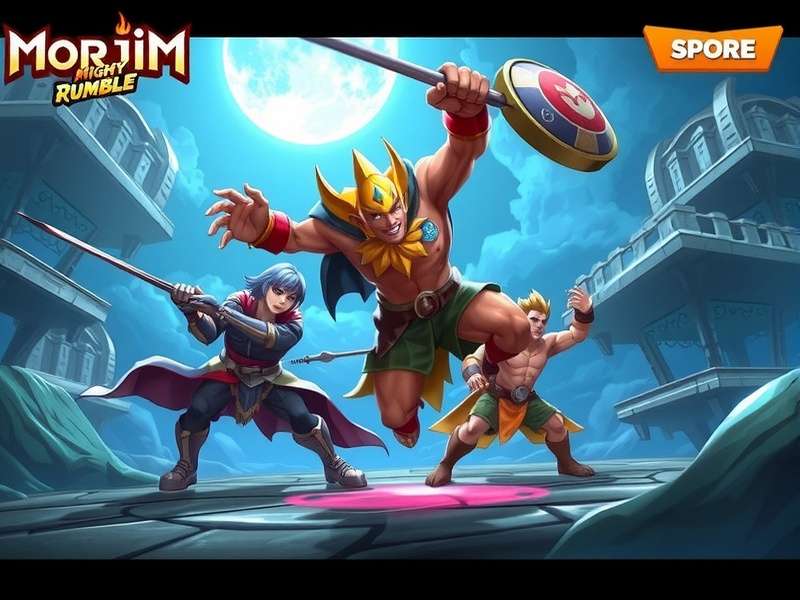
Morjim Mighty Rumble is a fast-paced action brawler that combines the best elements of traditional fighting games with the chaos and excitement of multiplayer brawlers. The core gameplay revolves around 1v1, 2v2, or free-for-all battles between players, with each match lasting between 2-5 minutes. The goal is simple: defeat your opponents by reducing their health bars to zero using a combination of basic attacks, special moves, combos, and environmental hazards.
What sets Morjim Mighty Rumble apart from other fighting games is its focus on accessibility and variety. The game is designed to be easy to pick up and play, with simple controls that anyone can learn in minutes. At the same time, it offers enough depth and complexity to keep experienced players engaged, with advanced mechanics like combo chaining, counterattacks, and special move cancels that require skill and practice to master.
The game features a unique Prana System that adds an extra layer of strategy to combat. Prana is a form of spiritual energy that all characters possess, and it's used to execute special moves and powerful ultimate attacks. Players can build up their Prana gauge by landing attacks, blocking, and dodging, and once it's full, they can unleash devastating ultimate moves that can turn the tide of battle.
Another key feature of Morjim Mighty Rumble's gameplay is its emphasis on environmental interaction. Each battle arena is filled with interactive elements that players can use to their advantage, such as destructible objects, traps, and power-ups. For example, players can knock opponents into spinning wheels of death in the Rajput Fort arena, or use exploding firecrackers in the Diwali Festival arena to damage multiple enemies at once.
The game also features a dynamic Weather System that affects gameplay in various ways. Rain can make the ground slippery, reducing movement speed and making it harder to execute precise moves. Strong winds can push players around the arena, while fog can reduce visibility, making it harder to spot opponents. These weather effects add an extra layer of unpredictability to battles, keeping the gameplay fresh and exciting.
Combat System
The combat system in Morjim Mighty Rumble is a perfect blend of simplicity and depth, designed to appeal to both casual and hardcore gamers. The game uses a standard fighting game control scheme, with basic attacks mapped to the face buttons and special moves executed using directional inputs combined with face buttons.
Each character has a unique set of basic attacks, including light attacks, heavy attacks, and range attacks. Light attacks are fast but weak, making them ideal for starting combos. Heavy attacks are slower but more powerful, and they can break through an opponent's block. Range attacks allow players to attack opponents from a distance, making them useful for keeping enemies at bay.
Special moves are the bread and butter of Morjim Mighty Rumble's combat system. Each character has four unique special moves that are executed using specific input combinations. These moves range from powerful single-hit attacks to multi-hit combos, and they can be used to set up devastating combos or to counter an opponent's attacks.
One of the most innovative aspects of the combat system is the Combo Chain System. Unlike many fighting games where combos are limited to specific move sequences, Morjim Mighty Rumble allows players to chain together different attacks and special moves in creative ways. This gives players a high degree of freedom when it comes to creating their own combo sequences, making each battle feel unique and personalized.
The game also features a robust Blocking and Counter System that rewards skillful play. Players can block incoming attacks by holding back on the directional pad, but blocking too much will drain their guard gauge, leaving them vulnerable to guard breaks. Players can also execute counterattacks by timing their blocks perfectly, allowing them to turn an opponent's attack into an opportunity to strike back.
Ultimate attacks are the most powerful moves in Morjim Mighty Rumble, and they can only be executed when a player's Prana gauge is full. These attacks are visually stunning, with each character having a unique ultimate move that reflects their personality and backstory. For example, Arjun's ultimate move is the "Pashupatastra," a powerful arrow attack that summons a rain of arrows from the sky, while Durga's ultimate move is the "Mahishasura Mardini," where she transforms into her ten-armed form and unleashes a flurry of attacks on her opponents.
Story Mode
The Story Mode in Morjim Mighty Rumble is an epic journey through the world of Bharatvarsha, where players take control of different characters and experience their unique stories. The mode consists of 36 individual character stories, each consisting of 5-7 chapters, as well as a grand finale chapter that brings all the stories together.
Each character's story explores their backstory, motivations, and role in the larger conflict that's unfolding in Bharatvarsha. Players will encounter a variety of enemies, including other playable characters, non-playable characters, and powerful boss monsters inspired by Hindu mythology. The story is told through beautifully animated cutscenes, in-game dialogue, and narrative text, creating an immersive experience that draws players into the world of Morjim Mighty Rumble.
One of the unique features of the Story Mode is the Choice System, which allows players to make decisions that affect the outcome of the story. These choices can lead to different endings for each character, adding replayability to the mode. For example, players might have to choose between helping a character seek revenge or convincing them to forgive their enemies, and each choice will lead to a different set of missions and a different ending.
The Story Mode also features a variety of mission types to keep the gameplay fresh and exciting. These include standard battle missions, survival missions where players have to defeat waves of enemies, timed missions where players have to complete objectives within a certain time limit, and puzzle missions where players have to solve environmental puzzles to progress.
Arcade Mode
Arcade Mode is a classic fighting game mode that challenges players to defeat a series of opponents in succession. The mode consists of 8 stages, with each stage featuring a different opponent. After defeating the first 7 opponents, players will face off against a powerful boss character in the final stage.
Arcade Mode is designed for players who want a quick and challenging experience, without the story elements of Story Mode. The mode features multiple difficulty levels, ranging from Easy to Legendary, allowing players to tailor the challenge to their skill level. As players progress through the mode, they'll earn points based on their performance, including factors like time taken to win, number of combos executed, and damage taken.
One of the unique features of Arcade Mode is the Dynamic Difficulty System, which adjusts the difficulty of opponents based on the player's performance. If a player is winning easily, the game will increase the difficulty of subsequent opponents, making them faster, stronger, and more aggressive. If a player is struggling, the game will decrease the difficulty, giving them a better chance to win.
Completing Arcade Mode with different characters unlocks a variety of rewards, including new costumes, alternate color schemes, and concept art. Players can also compete for high scores on the global leaderboard, adding a competitive element to the mode.
Challenge Mode
Challenge Mode is designed for players who want to test their skills and earn valuable rewards. The mode features a variety of challenges, each with its own unique objectives and difficulty level. Some challenges require players to defeat opponents using specific moves or combos, while others require players to survive against waves of enemies or complete battles within a certain time limit.
Challenge Mode is divided into five categories: Combo Challenges, Survival Challenges, Time Attack Challenges, Special Move Challenges, and Boss Challenges. Each category features 20 different challenges, ranging from easy to extremely difficult. As players complete challenges, they'll earn stars based on their performance, with up to three stars available for each challenge.
Earning stars allows players to unlock new challenges and rewards, including rare costumes, powerful items, and character upgrades. The mode also features a global leaderboard, where players can compete with others from around the world for the top spot. Challenge Mode is a great way for players to improve their skills, learn new combos, and earn valuable rewards that can be used in other game modes.
Online Multiplayer
Online Multiplayer is one of the most popular game modes in Morjim Mighty Rumble, allowing players to compete against others from around the world. The mode features a variety of gameplay options, including Ranked Matches, Casual Matches, and Custom Matches.
Ranked Matches are competitive matches where players earn or lose ranking points based on their performance. The ranking system consists of 10 tiers, from Bronze to Grandmaster, and players must win matches to climb the ranks. Ranked Matches are ideal for players who want to test their skills against the best players in the world and earn bragging rights.
Casual Matches are non-competitive matches where players can practice their skills, try out new characters, or just have fun without worrying about their ranking. These matches are perfect for players who want a more relaxed gaming experience, or for those who are new to the game and want to improve their skills before jumping into Ranked Matches.
Custom Matches allow players to create their own matches with custom rules and settings. Players can choose the arena, set the time limit, adjust the health bars, and even disable certain moves or mechanics. Custom Matches are great for playing with friends or for hosting tournaments.
One of the key features of Online Multiplayer is the Netcode System, which ensures smooth and lag-free gameplay even when playing against players from different regions. The game uses rollback netcode, which predicts player inputs to minimize the effects of lag, resulting in a smooth and responsive gaming experience.
Online Multiplayer also features a variety of rewards for players who compete regularly. Players can earn experience points, in-game currency, and rare items by winning matches, and they can also complete daily and weekly challenges to earn additional rewards. The mode also features seasonal events and tournaments, where players can compete for exclusive rewards and bragging rights.
Local Multiplayer
Local Multiplayer is perfect for playing with friends and family in the same room. The mode supports up to 4 players, and it features a variety of gameplay options, including 1v1, 2v2, and free-for-all battles.
Local Multiplayer uses the same combat system as the other game modes, but it adds a social element that makes it perfect for parties and get-togethers. Players can choose from any of the playable characters, and they can customize the match settings to suit their preferences.
One of the unique features of Local Multiplayer is the Party Mode, which adds a variety of fun and silly modifiers to the gameplay. These modifiers can include things like giant characters, tiny characters, slow-motion battles, and random item drops. Party Mode is perfect for players who want a more lighthearted and chaotic gaming experience.
Local Multiplayer also features a Tournament Mode, which allows players to host their own tournaments with up to 16 players. The mode supports single-elimination and double-elimination tournament formats, and it automatically keeps track of scores and winners. Tournament Mode is great for hosting gaming parties or for competitive groups of friends.
Cooperative Mode
Cooperative Mode allows players to team up with friends to take on powerful enemies and complete challenging missions. The mode features a variety of cooperative missions, including survival missions, boss battles, and objective-based missions.
In survival missions, players must work together to defeat waves of enemies, with each wave becoming more difficult than the previous one. Boss battles challenge players to take down powerful boss monsters, which require teamwork and strategy to defeat. Objective-based missions require players to complete specific objectives, such as protecting a target, retrieving an item, or capturing a location.
Cooperative Mode supports up to 4 players, and it features a unique Team Synergy System that rewards players for working together. When players perform combos with their teammates or use complementary abilities, they earn synergy points, which can be used to unlock powerful team bonuses. These bonuses can include increased damage, faster Prana regeneration, or temporary invincibility.
Completing cooperative missions earns players experience points, in-game currency, and rare items. The mode also features a difficulty system that allows players to adjust the challenge to their skill level, making it accessible to both casual and hardcore gamers. Cooperative Mode is a great way to play with friends and experience the game in a new and exciting way.
Training Mode
Training Mode is an essential tool for players who want to improve their skills and master the game's combat system. The mode features a variety of tools and options that allow players to practice different aspects of the gameplay, from basic attacks to advanced combos.
In Training Mode, players can choose any character and any arena, and they can customize a variety of settings to suit their practice needs. These settings include adjusting the opponent's behavior (such as making them stand still, attack continuously, or block all attacks), setting the opponent's health to infinite, and disabling the Prana gauge to practice special moves without restriction.
One of the key features of Training Mode is the Combo Display System, which shows players the input sequence for different combos. The system includes a list of recommended combos for each character, ranging from basic to advanced, and it displays the input sequence in real-time as players execute the combo. This makes it easy for players to learn new combos and practice their timing.
Training Mode also features a Frame Data Display, which shows players the exact frame timing of each move. This is particularly useful for advanced players who want to optimize their combos and understand the invincibility frames, hitboxes, and recovery times of different moves. The frame data display can be toggled on or off, making it accessible to both casual and hardcore players.
Another useful feature of Training Mode is the Replay System, which allows players to record and replay their practice sessions. This is great for analyzing mistakes, studying combos, and sharing gameplay with others. The replay system allows players to control the playback speed, skip to different parts of the replay, and even add annotations to highlight specific moments.
Tutorial Mode
Tutorial Mode is designed for new players who want to learn the basics of Morjim Mighty Rumble's gameplay. The mode consists of a series of interactive lessons that teach players everything they need to know to get started, from basic movement to advanced combos.
The tutorial is divided into 10 chapters, each focusing on a different aspect of the gameplay. The chapters include: Basic Movement, Basic Attacks, Special Moves, Blocking and Dodging, Combos, Prana System, Ultimate Attacks, Environmental Interaction, Advanced Techniques, and Character-Specific Mechanics.
Each chapter features step-by-step instructions, visual demonstrations, and interactive practice exercises. Players must complete each exercise before moving on to the next chapter, ensuring that they have a solid understanding of each concept before progressing. The tutorial also includes helpful tips and tricks from professional players, providing valuable insights into the game's mechanics.
One of the unique features of Tutorial Mode is the Adaptive Learning System, which adjusts the difficulty of the exercises based on the player's performance. If a player is struggling with a particular concept, the system will provide additional guidance and practice exercises. If a player is progressing quickly, the system will increase the difficulty to keep the tutorial challenging and engaging.
Completing Tutorial Mode unlocks a variety of rewards, including a special costume for the player's favorite character and a set of in-game currency. The mode is also a great way for experienced players to brush up on their skills or learn about new mechanics that they might have missed.
Character Customization
Morjim Mighty Rumble offers an extensive character customization system that allows players to personalize their favorite characters to suit their style. The system includes a variety of customization options, from costumes and color schemes to accessories and victory animations.
Each character has a base costume inspired by their mythological or historical background, and players can unlock additional costumes by completing various in-game challenges, winning matches, or purchasing them with in-game currency. The costumes range from alternate versions of the base costume to completely unique designs inspired by different regions of India or different time periods.
For example, Arjun has a base costume inspired by the Mahabharata, but players can unlock a modernized version of the costume, a costume inspired by Rajput warriors, and a costume inspired by South Indian kings. Each costume has its own unique design and color scheme, allowing players to create a character that stands out from the crowd.
In addition to costumes, players can also customize their character's color scheme. Each costume has 10 different color options, ranging from traditional colors to more vibrant and unusual combinations. Players can also unlock special color schemes by completing specific challenges or participating in seasonal events.
Accessories are another key part of the customization system. Players can equip their characters with a variety of accessories, including weapons, jewelry, headgear, and more. These accessories not only change the character's appearance but also provide small stat bonuses, such as increased damage or faster Prana regeneration.
For example, players can equip Arjun with a golden bow that increases his range attack damage, or a sacred thread that increases his Prana regeneration. Each character has a unique set of accessories, and new accessories are unlocked as players progress through the game.
Victory animations and taunts are also customizable. Players can choose from a variety of victory animations, ranging from simple poses to elaborate sequences that showcase the character's personality. Taunts can be used during battles to intimidate opponents, and each character has a unique set of taunts that can be unlocked and customized.
Finally, players can customize their character's voice lines. Each character has a variety of voice lines for different situations, such as attacking, blocking, and winning a match. Players can unlock additional voice lines by completing character-specific challenges, and they can even mix and match voice lines from different characters to create a unique combination.
Progression System
Morjim Mighty Rumble features a deep and rewarding progression system that keeps players engaged and motivated to keep playing. The system includes a variety of progression paths, allowing players to earn rewards and improve their characters in a variety of ways.
The primary progression system is the Leveling System, where players earn experience points by playing matches and completing challenges. As players level up, they unlock new rewards, such as costumes, accessories, and in-game currency. Each character has their own individual level, and leveling up a character unlocks character-specific rewards, such as new moves, alternate costumes, and backstory content.
Another key part of the progression system is the Skill Tree System. Each character has a unique skill tree that allows players to customize their playstyle by unlocking new abilities and upgrades. The skill tree is divided into three branches: Offense, Defense, and Utility. Each branch features a variety of skills that can be unlocked using skill points, which are earned by leveling up the character.
For example, the Offense branch might include skills that increase the character's damage output, improve their combos, or unlock new special moves. The Defense branch might include skills that increase the character's health, improve their blocking, or grant them resistance to certain types of damage. The Utility branch might include skills that increase the character's movement speed, improve their Prana regeneration, or unlock new movement options.
The Currency System is another important part of the progression system. The game features two types of currency: Rumble Coins and Diamond Crystals. Rumble Coins are earned by playing matches, completing challenges, and leveling up, and they can be used to purchase basic items, such as common costumes and accessories. Diamond Crystals are a premium currency that can be purchased with real money or earned by completing special events and challenges, and they can be used to purchase rare items, such as legendary costumes and powerful accessories.
The Battle Pass System is a seasonal progression system that offers additional rewards for dedicated